How BlueLinx unified 1,800 warehouse and equipment leases from separate worlds

BlueLinx tracked real estate leases in one platform and equipment leases in spreadsheets maintained by operations managers who rarely updated them. Arvexi unified 1,800+ lease records across every type and eliminated 45 manual adjustments per month.
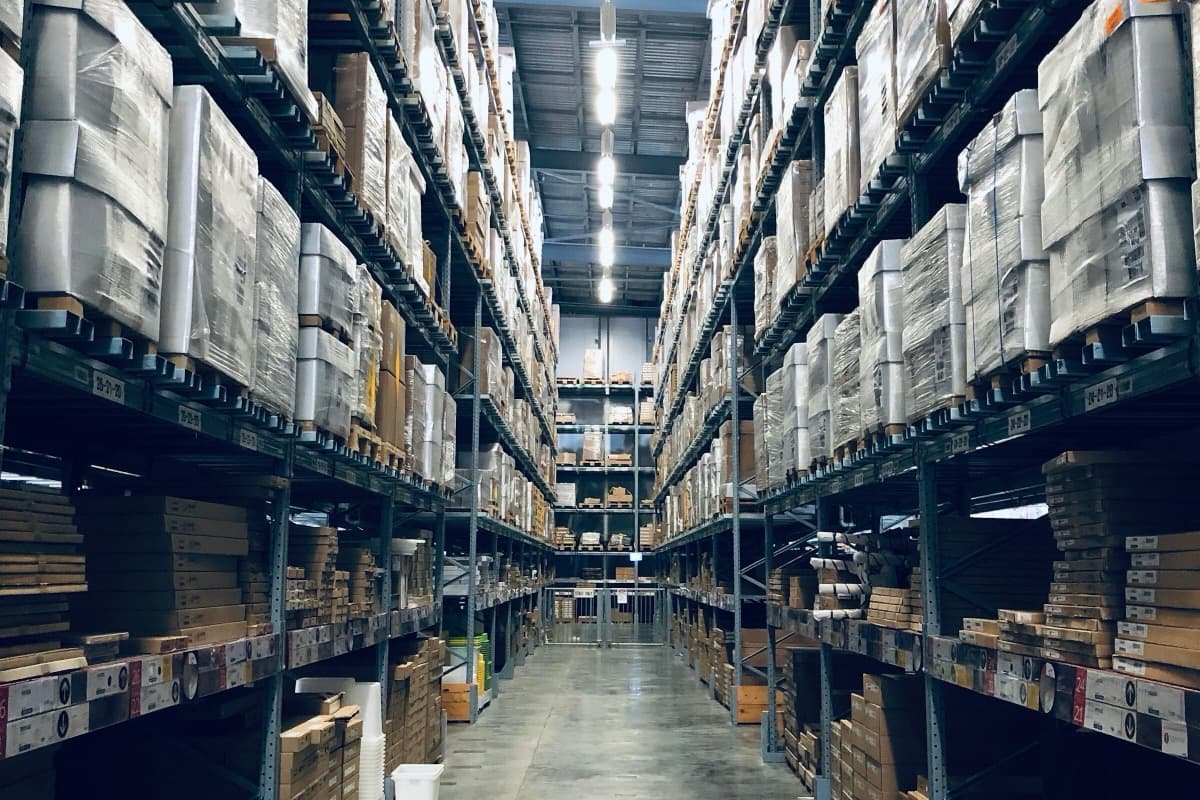
BlueLinx is the largest distributor of building products in the United States, operating more than 70 warehouse and distribution centers. The business runs on warehouse space and the equipment that fills it. Both are primarily leased. And for years, both were tracked in completely different systems.
Amanda Foster oversees financial reporting and had been managing what she calls "two parallel universes" of lease accounting. Real estate leases lived in a legacy platform. Equipment leases - forklifts, trucks, conveyor systems, and loading dock equipment totaling more than 1,800 records - lived in spreadsheets maintained by regional operations managers.
"Every month, I had two separate close processes feeding into one set of financials," Foster says. "The reconciliation between them was painful, and the opportunity for errors was enormous."
Two parallel universes
The real estate platform handled warehouse leases competently enough for basic calculations. But it could not accommodate the equipment leases that were integral to each location's daily operations. A single distribution center might have a 10-year real estate lease, a 5-year forklift fleet agreement, a 3-year conveyor system contract, and a handful of short-term equipment rentals. All of them created right-of-use assets and lease liabilities that needed to appear on the balance sheet.
The equipment leases were the bigger problem by far. Tracked in Excel by operations managers whose primary job was running warehouses, the data was often incomplete. Lease modifications went unrecorded for months. Equipment returns were not reflected in the financial statements until someone noticed the discrepancy during reconciliation - if they noticed at all.
"We would find equipment that had been returned six months ago still sitting on our balance sheet as an active lease," Foster says. "Or worse, new equipment that had been delivered and put into service without the lease ever being recorded. Those are the kinds of errors that keep you awake."
The dual-tracking approach also meant that nobody had a complete view of BlueLinx's total lease obligation. The real estate team knew the facility numbers. The operations team knew the equipment numbers. Combining them required a manual exercise that consumed the better part of a week every single month.
One platform for everything
Foster chose Arvexi because it handled real estate and equipment leases natively within the same platform. "I was not interested in replacing one system with another system that still could not do equipment leases," she says. "I needed one platform for everything."
The real estate migration came first and was relatively straightforward. Arvexi imported the existing lease data from the legacy platform and validated it against source documents using the Document Intelligence module. That validation step caught 14 discrepancies that had been carried forward from the old system, including three leases with incorrect commencement dates and two with outdated payment schedules that were costing the company money every month.
The equipment migration was more involved. Foster's team collected agreements from every distribution center and uploaded them in batches. Equipment leases required more validation because of their variety: some capital, some operating, some with purchase options, and many modified multiple times without the changes ever documented.
"The equipment side took about six weeks," Foster says. "But it was six weeks to get something we never had: a complete, accurate view of every lease in the company."
The unified view
The change in daily operations was significant. Foster's team now manages the entire portfolio from a single dashboard. When a distribution center adds a new forklift fleet or extends its warehouse lease, both events flow through the same review queue, the same approval workflow, and the same journal entry generation process.
"The 45 manual adjustments we used to make every month dropped to about three," Foster says. "And those three are usually genuine judgment calls, not data corrections. That is a completely different kind of work."
The Intelligence module has been particularly useful for capital planning. Foster's team uses it to model lease-versus-buy decisions for equipment and to forecast total occupancy costs by distribution center. "When the CEO asks what it costs to operate our Southeast region, I can give a complete answer that includes both the buildings and the equipment. That used to take a week to pull together."
Concrete results
BlueLinx reduced the monthly close cycle from 10 days to 4. Manual journal entry adjustments dropped from 45 per month to 3. The annual audit completed a week faster than the previous year, with auditors noting that the unified lease data significantly reduced their testing requirements.
The real estate validation alone recovered enough in corrected payment schedules to offset the first year's platform cost. And the equipment visibility has changed how operations managers think about their lease commitments.
"The real win is confidence," Foster says. "When I sign off on the lease liability number, I know it includes everything. Every warehouse, every forklift, every conveyor belt. Nothing is hiding in a spreadsheet somewhere. I do not know how anyone manages 1,800 leases across multiple asset types without a platform like this."
We would find equipment that had been returned six months ago still sitting on our balance sheet as an active lease. Or worse, new equipment delivered and put into service without the lease ever being recorded. Having everything in one place changed everything.
Amanda Foster
VP of Financial Reporting at BlueLinx